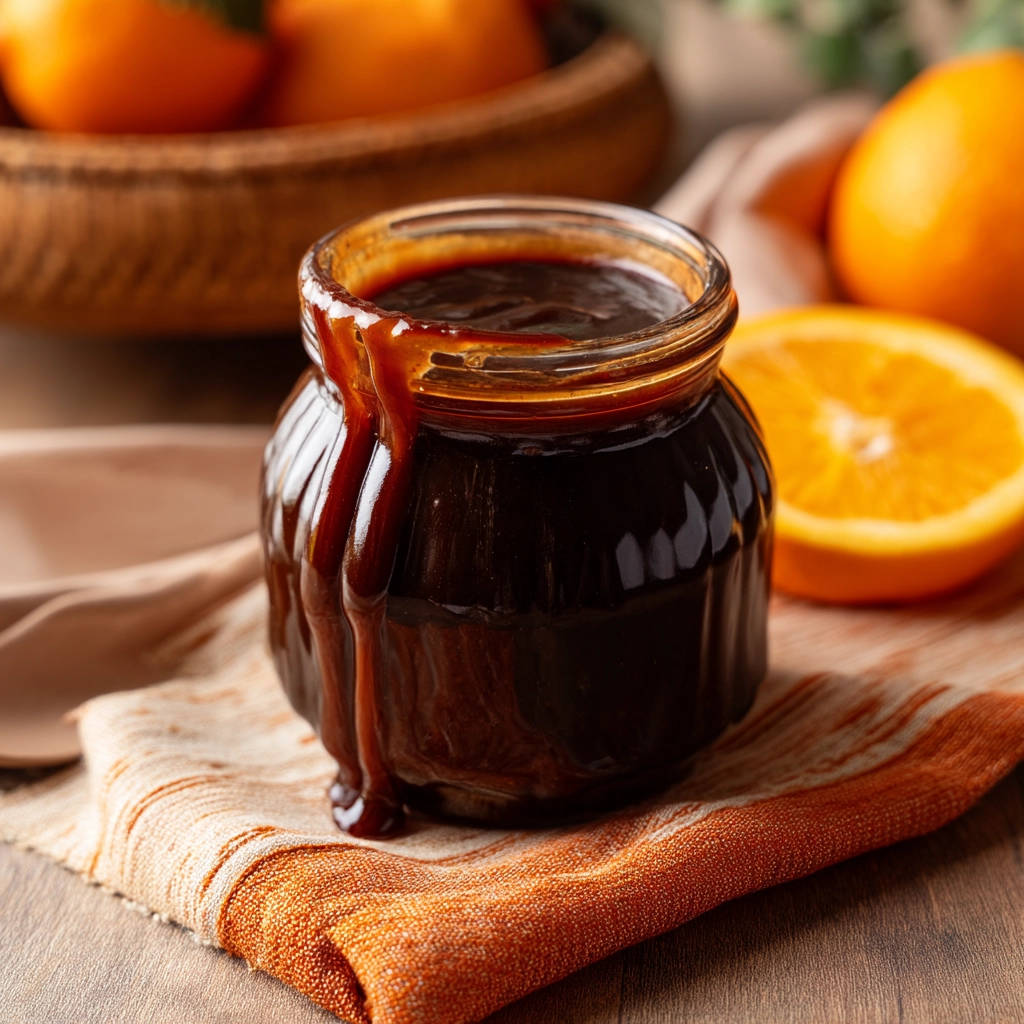
The Frustration of Glaze Guesswork: Why Thickness Matters for Your Perfect Orange Glaze
Have you ever meticulously baked a cake, muffins, or even a savory dish, eagerly anticipating that final, glossy flourish of glaze, only to have it turn out either disappointingly watery and thin, or frustratingly thick and lumpy? It’s a common kitchen dilemma that can undermine all your hard work. But what if there was a simple, foolproof approach to achieving the perfect
orange glaze consistency, every single time?
This guide isn't just about throwing ingredients together; it's about understanding a straightforward technique that guarantees a smooth, pourable glaze that clings beautifully and sets perfectly. Get ready to say goodbye to inconsistent glaze and hello to citrus-infused perfection that elevates everything it touches. The ideal thickness of your
orange glaze isn't just about aesthetics; it ensures an even distribution of that vibrant, tangy-sweet flavor, prevents sogginess, and provides the satisfying sheen that announces a truly professional-looking dessert.
Unlocking the Secret to a Dazzling Orange Glaze
A truly fantastic
orange glaze begins with understanding its core components and how they interact to create that burst of bright flavor and delightful texture. At its heart, a glaze is a harmonious blend of sweetness, acidity, and often, a touch of aromatic zest. When these elements are balanced and combined correctly, the result is nothing short of culinary magic.
The Essential Building Blocks for a Bright Citrus Glaze
The beauty of a perfect
orange glaze lies in its simplicity, requiring just a few high-quality ingredients to achieve outstanding results.
*
Confectioner's Sugar (Powdered Sugar): This is the backbone of your glaze. Unlike granulated sugar, confectioner's sugar contains a small amount of cornstarch, which prevents caking and, crucially for glaze, dissolves instantly and completely. This ensures a supremely smooth, lump-free consistency that forms the perfect base for your citrus infusion. Any other sugar will leave a grainy texture, which is undesirable for a delicate glaze.
*
Fresh Oranges: The star of the show! The quality and type of orange you choose will profoundly impact the flavor, aroma, and even the subtle color of your glaze. We advocate strongly for *freshly squeezed* orange juice and *freshly grated* zest. Bottled juices simply cannot replicate the vibrant, authentic flavor that fresh oranges provide.
*
Valencia Oranges: Often favored for their classic sweet and juicy profile, Valencias offer a well-balanced sweetness and acidity, making them an excellent all-around choice for a flavorful and robust
orange glaze.
*
Cara Cara Oranges: Known for their appealing pinkish flesh and a delightful sweet-tangy flavor with subtle berry notes, Cara Caras can add a refreshing and unique dimension to your glaze.
*
Blood Oranges: For a striking visual and an intriguing flavor, blood oranges are a fantastic option. Their unique crimson flesh imparts a beautiful hue to the glaze, while their almost-tart taste with distinctive berry undertones adds complexity and depth.
Choosing the right orange can significantly enhance your glaze. For a deeper dive into selecting the perfect fruit, check out our guide on
Best Oranges for Glaze: Maximize Zest and Sweet Citrus Flavor.
*
Orange Zest: Often overlooked, the zest is where the most potent essential oils and concentrated orange flavor reside. Don't skip it! A small amount of finely grated zest dramatically amplifies the citrus punch and aroma, making your glaze truly unforgettable. It provides a bright, intense flavor that juice alone cannot match.
The Art of Consistency: Achieving Ideal Orange Glaze Thickness Every Time
This is where the magic happens and where you gain full control over your glaze. The secret to perfect thickness lies in the method of combining your ingredients, particularly the gradual addition of liquid.
Step-by-Step Mastery for a Flawless Finish:
1.
Combine Dry & Initial Liquid: In a medium bowl, start by whisking your confectioner’s sugar with just one tablespoon of fresh orange juice and a quarter teaspoon of orange zest. At this stage, the mixture will be very thick, almost paste-like, or even crumbly. This initial step ensures the sugar begins to dissolve evenly without becoming too thin too quickly.
2.
Whisk Until Smooth: Continue whisking vigorously until the mixture becomes smooth. Ensure there are absolutely no lumps of confectioner's sugar remaining. The cornstarch in the sugar helps prevent this, but thorough whisking is key. A small, flexible whisk works wonders here to reach all areas of the bowl.
3.
Gradual Liquid Addition – The Golden Rule: Now comes the crucial part for controlling thickness. Begin adding *additional* orange juice, but do so very slowly, just a few drops or a quarter teaspoon at a time. After each tiny addition, whisk thoroughly and observe the consistency.
*
The Visual Test: Lift your whisk from the bowl. Does the glaze drip off in a steady, unbroken stream? Does it look like thick syrup? If it's too thin, it will run off the whisk almost like water. If it's too thick, it will cling heavily or break into distinct globs.
*
The "Cling" Test: Dip the back of a spoon into the glaze. A perfectly thick glaze should coat the back of the spoon evenly and remain opaque. If you run your finger across the spoon, it should leave a clear trail that doesn't immediately merge back together.
*
The Drizzle Test: For a glaze you intend to drizzle, it should flow easily but not be so thin that it disappears into the baked good. When drizzled from the whisk, it should hold its shape momentarily on the surface before slowly settling.
4.
Adjust and Refine: Keep adding drops of juice and whisking until you reach your desired consistency. This could be anywhere from a thin, translucent wash to a thick, opaque frosting-like coating. The key is patience and small additions. You can always add more liquid, but it's much harder to thicken an already runny glaze.
Troubleshooting Common Glaze Challenges:
*
Glaze is Too Thin: Don't panic! This is the easier fix. Simply whisk in more confectioner's sugar, one tablespoon at a time, until the desired thickness is achieved.
*
Glaze is Too Thick: Again, an easy fix. Add more orange juice, but be extremely conservative here. A single drop can make a difference. Whisk thoroughly after each tiny addition until it thins to perfection.
*
Lumps: If you find lumps, it means the confectioner's sugar wasn't fully dissolved. Continue whisking vigorously. If persistent, you can try pressing the glaze through a fine-mesh sieve, though thorough initial whisking usually prevents this.
Beyond the Basic: Elevating Your Orange Glaze Creations
While a classic
orange glaze is sublime on its own, its versatility allows for exciting variations and enhancements. Don't be afraid to get creative once you've mastered the basic thickness.
*
A Splash of Vanilla: For a delightful "Dreamsicle" flavor profile, add a splash of pure vanilla extract to your glaze. It beautifully complements the bright citrus.
*
Other Citrus Twists: Substitute some or all of the orange juice and zest with lemon, lime, or even grapefruit for an entirely different citrus experience. A blend of orange and lemon offers an extra zing.
*
Festive Blends: For a holiday or fall-themed treat, mix orange juice with a touch of cranberry juice. This not only adds a lovely color but a festive tartness.
*
A Touch of Richness: Whisking in one teaspoon of melted, unsalted butter into your finished glaze will create a slightly thicker, richer, and glossier icing that has a wonderful mouthfeel. This also helps it set a bit firmer.
*
Extra Orange Punch: For an even more intense orange flavor, consider adding a dash of food-grade orange extract. This can deepen the citrus notes without adding extra liquid.
*
Storage Savvy: If you find yourself with extra orange zest or juice after preparing your glaze, don't waste it! Store zest in an airtight container in the freezer for future baking, and juice can be frozen in ice cube trays for later use in drinks or other recipes. For more ideas on how to use this amazing citrus glaze, explore our article on
Elevate Any Dessert: The Ultimate Tangy Orange Glaze Recipe.
Expert Tips for Your Perfect Orange Glaze
To ensure your
orange glaze reaches its full potential every time, keep these practical tips in mind:
*
Always Use Fresh: This cannot be stressed enough. Freshly squeezed orange juice and freshly grated zest are paramount for the most vibrant, authentic, and intense orange flavor. Bottled juices contain preservatives and lack the bright aroma of fresh citrus.
*
Zest First, Then Juice: It’s always easier to zest a whole orange before you cut and juice it. Use a microplane or a fine grater to get only the brightly colored outer layer, avoiding the bitter white pith underneath.
*
Taste and Adjust: Your personal preference matters! Taste your glaze as you go. Want it sweeter? Add a touch more sugar. More tart? A few more drops of juice. More intense orange flavor? A pinch more zest.
*
Temperature Matters for Application: For most cakes, cookies, and muffins, allow your baked goods to cool completely before applying the glaze. Applying it to warm items will cause the glaze to melt and run off, becoming too thin and absorbed rather than forming a nice coating. However, if you want a subtle, barely-there sheen, a slightly warm cake can absorb a thin glaze beautifully. Experiment!
*
Work Quickly: Glazes made with confectioner's sugar can set fairly quickly, especially if they are thicker. Have your baked goods ready to glaze once you achieve the ideal consistency.
Conclusion: The Sweet Reward of a Perfect Orange Glaze
Achieving the perfect thickness for your
orange glaze is a culinary skill that’s surprisingly easy to master and profoundly rewarding. By understanding the role of each ingredient, particularly confectioner’s sugar and fresh oranges, and by patiently adding liquid drop by drop, you gain complete control over your glaze's consistency. No more guessing, no more watery disappointments, just consistently smooth, shiny, and exquisitely flavored glaze that clings beautifully to your favorite treats. From brightening up a simple pound cake to adding a zesty kick to breakfast muffins, your perfectly thick orange glaze will undoubtedly transform your desserts from good to absolutely fantastic, every single time.