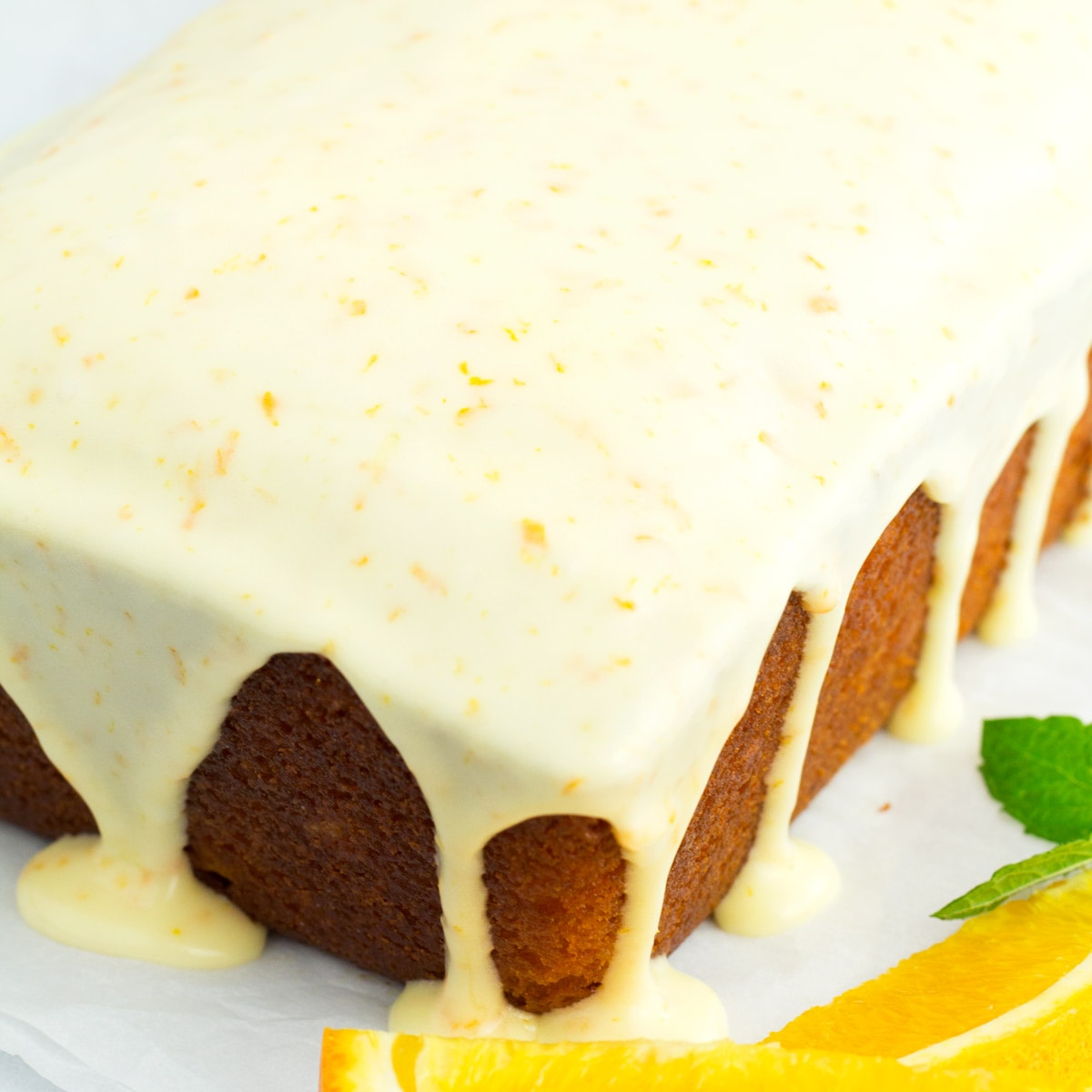
The Secret to Dazzling Desserts: Choosing the Best Oranges for Your Glaze
Imagine a perfectly baked pound cake, a batch of fluffy muffins, or even a delightful scone, elevated to culinary stardom by a shimmering, sweet, and tangy coating. This isn't just any topping; it's the magic of orange glaze, a simple yet transformative addition that bursts with bright citrus flavor. While the technique for achieving the perfect consistency is crucial, the true secret to maximizing that irresistible zest and sweet citrus flavor lies in the very fruit you choose. Not all oranges are created equal when it comes to crafting a truly spectacular orange glaze. From balancing tartness with sweetness to infusing your creations with an intoxicating aroma, the right orange can turn a good glaze into a *fantastic* one. Forget bland, watery glazes; we're diving deep into the world of citrus to uncover the champions that will make your desserts sing. Get ready to discover how selecting the ideal orange can amplify your glaze, adding moisture, vibrancy, and an unforgettable burst of flavor that will leave everyone craving more.Unveiling the Stars: Best Oranges for Maximizing Zest and Sweet Citrus Flavor
When it comes to crafting an unforgettable orange glaze, the quality and type of orange you select are paramount. Each variety brings its own unique profile of sweetness, acidity, and aromatic oils, directly influencing the final taste and appearance of your glaze. Here are the top contenders that truly excel:Valencia Oranges: The Reliable Workhorse
Often hailed as the quintessential juicing orange, **Valencia oranges** are a powerhouse choice for any orange glaze. Their primary appeal lies in their *exceptional juiciness* and a beautifully *balanced ratio of sweetness to acidity*. This equilibrium ensures that your glaze will possess a vibrant, classic orange flavor that is neither overwhelmingly tart nor cloyingly sweet. * **Flavor Profile:** Pure, bright, and intensely citrusy with a natural sweetness that shines through. * **Why they're great for glaze:** Abundant juice means you'll easily get the liquid needed for your glaze. Their thin, aromatic rind yields excellent zest, packed with essential oils that contribute deeply to the glaze's fragrant aroma and robust flavor. Valencia oranges are consistently available, making them a reliable choice year-round. * **Best for:** A traditional, all-purpose orange glaze where you want the pure, unadulterated taste of orange to be the star. Perfect for classic pound cakes, muffins, or simple sugar cookies.Cara Cara Oranges: The Sweet, Nuanced Delight
For those seeking a glaze with a more subtle complexity, **Cara Cara oranges** are a phenomenal option. These navel orange varieties boast a distinctive *pinkish-red flesh* and offer a flavor profile that is sweeter and less acidic than traditional navels. What truly sets them apart are their intriguing *berry-like undertones*, often described as hints of raspberry or cranberry. * **Flavor Profile:** Sweet and tangy, with refreshing notes that lean towards rose or red berries, and lower acidity. * **Why they're great for glaze:** The nuanced sweetness and reduced acidity create a softer, more sophisticated citrus flavor in your glaze. The beautiful blush hue of their flesh can also impart a very delicate, appealing color to lighter glazes. Their zest provides a fragrant, less sharp aroma that complements their internal flavor. * **Best for:** Desserts where you want a delicate, refreshing citrus note with an added layer of complexity. Think fruit tarts, angel food cake, or even as a unique finish to breakfast pastries.Blood Oranges: The Dramatic Artist
When both striking visual appeal and a profound depth of flavor are desired, **Blood oranges** step into the spotlight. Known for their dramatic *crimson-colored flesh*, which ranges from streaks of ruby to deep burgundy, these oranges offer a sophisticated flavor profile that stands apart. * **Flavor Profile:** Generally more tart than Valencia or Cara Cara, with pronounced *berry undertones* reminiscent of raspberries or cranberries. They offer a unique, almost wine-like complexity. * **Why they're great for glaze:** The most obvious benefit is the stunning, natural pink or reddish hue they lend to the glaze, transforming any dessert into a visual masterpiece. Beyond aesthetics, their tartness and unique berry notes add an incredible depth and complexity that can elevate even the simplest baked good. The zest is wonderfully fragrant, echoing the fruit's internal berry notes. * **Best for:** Holiday baking, gourmet desserts, or any occasion where you want to make a statement with both color and a complex, intriguing flavor profile. Excellent with chocolate or rich spice cakes.Mastering the Zest and Juice: Tips for Flavor Extraction
Once you've selected your champion oranges, the next crucial step is extracting their maximum flavor. The secret to an outstanding orange glaze lies in two key components: *freshly squeezed juice* and *vibrant zest*.Always Go Fresh: The Power of Real Citrus
The most fundamental rule for a truly flavorful glaze is to **always use fresh-squeezed orange juice and zest**. Bottled or pre-packaged orange juice, while convenient, simply cannot compete with the bright, authentic flavor of fresh citrus. These alternatives often contain preservatives, and the pasteurization process can dull the vibrant, aromatic compounds that make fresh oranges so special.Zest with Precision: Unlocking Aromatic Oils
The zest – the colorful outer layer of the orange peel – is where the magic truly happens. It's packed with essential oils that carry the most intense orange flavor and aroma.To maximize your zest:
- Use a Microplane or Fine Grater: This tool is ideal for grating only the brightly colored part of the peel.
- Avoid the Pith: The white layer directly beneath the zest, known as the pith, is bitter. Always grate gently, rotating the orange, to avoid incorporating any white pith into your zest. Even a tiny bit can introduce an undesirable bitterness.
- Zest Before Juicing: It's significantly easier to zest a firm, whole orange than a juiced half.
Juicing for Purity: Getting Every Drop
After zesting, it's time to extract the juice.- Roll Before Cutting: Gently roll the orange on a countertop with a little pressure before cutting it in half. This helps break down the membranes inside, making it easier to extract more juice.
- Use a Juicer or Reamer: A manual citrus reamer or an electric juicer will yield the most juice.
- Strain if Desired: For an ultra-smooth glaze, you might want to strain your freshly squeezed juice through a fine-mesh sieve to remove any pulp or seeds.
Boosting the Citrus Punch
Beyond the Basics: Elevating Your Orange Glaze
Once you've chosen your star oranges and mastered their essence, it's time to bring your glaze to life. While the fruit provides the flavor, the right technique and ingredients ensure a perfect finish.The Foundation: Confectioner's Sugar is Key
For a smooth, lump-free glaze, **confectioner’s sugar** (also known as powdered sugar) is non-negotiable. Its finely milled texture dissolves instantly, creating that desirable silky consistency without any grittiness. Granulated sugar will not work for a glaze.Achieving the Ideal Thickness: A Gradual Process
The perfect glaze consistency is neither too thin (running off your dessert) nor too thick (lumpy and hard to spread). The secret lies in *gradually adding your liquid*.To achieve this:
- Start by combining your confectioner’s sugar with a small amount of freshly squeezed orange juice (e.g., 1 tablespoon) and your precious orange zest.
- Whisk vigorously until smooth.
- Slowly, *one teaspoon at a time*, add more orange juice, whisking thoroughly after each addition. This allows you to control the thickness precisely until it reaches your desired pourable, yet clinging, consistency.
Creative Variations to Inspire You
Don't be afraid to experiment and personalize your orange glaze!- Dreamsicle Delight: Whisk in a splash of pure vanilla extract for a nostalgic, creamy "Dreamsicle" flavor.
- Citrus Medley: Substitute a portion of the orange juice with lemon, lime, or even grapefruit juice for a different citrus twist. This adds another layer of complexity and tartness.
- Festive Fall Glaze: Combine orange juice with a touch of cranberry juice for a beautiful color and a tangy, seasonal flavor, perfect for autumn bakes.
- Richer Texture: For a slightly thicker, more opaque, and decadent icing, whisk in 1 teaspoon of melted unsalted butter into your finished glaze.
- Spice it Up: A tiny pinch of cinnamon, cardamom, or even a hint of ginger can add warmth and intrigue to your orange glaze, especially complementing fall and winter desserts.
